Why Pink Cocaine Is Considered a Designer Drug
Designer drugs have become increasingly popular in recent years, with Pink Cocaine being one of the most sought-after substances on the market. But what exactly makes Pink Cocaine stand out from traditional drugs, and why is it classified as a designer drug? In this article, we will explore the unique characteristics of Pink Cocaine and delve into the reasons behind its growing popularity.
What is Pink Cocaine?
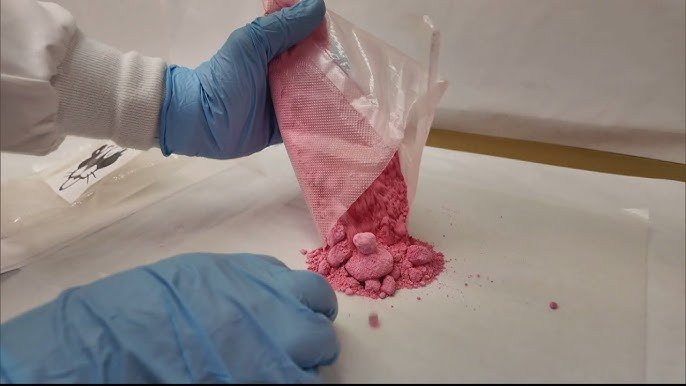
Pink Cocaine, also known as Strawberry Quick or Strawberry Meth, is a synthetic stimulant drug that is derived from traditional cocaine but is processed with added chemicals and flavorings, giving it a distinct pink color and fruity scent. This illicit drug is typically sold in powder form and is often mistaken for traditional cocaine due to its similar appearance.
Pink Cocaine stands out due to its unique characteristics such as:
- Synthetic stimulant derived from traditional cocaine
- Processed with added chemicals and flavorings
- Distinct pink color and fruity scent
- Sold in powder form
How is Pink Cocaine Different from Traditional Drugs?
Chemical Composition: Pink Cocaine is not a pure form of cocaine; it is a cocktail of various chemicals, including flavorings and additives, which are used to enhance its appearance and taste. This makes Pink Cocaine more unpredictable in terms of its effects and potential health risks.
AdvertisementColor and Scent: The pink color and fruity scent of Pink Cocaine distinguish it from traditional cocaine, which is typically white or off-white in color and has a chemical odor. These unique characteristics make Pink Cocaine more appealing to users looking for a novel and visually striking drug experience.
Marketing and Branding: Pink Cocaine is often marketed as a designer drug, targeting a specific demographic of users who are drawn to its exotic appearance and perceived exclusivity. This branding strategy has contributed to the drug’s popularity among young adults and partygoers.
The Rise of Designer Drugs
Designer drugs like Pink Cocaine have gained traction in recent years due to their novelty, potency, and perceived sophistication. These substances are often marketed as alternatives to traditional drugs, offering users a unique and enhanced experience that cannot be found with conventional substances.
Reasons for the Popularity of Designer Drugs:
Novelty: Designer drugs are constantly evolving, with new substances being developed and introduced to the market regularly. This novelty factor attracts adventurous users seeking new and different highs.
Potency: Designer drugs are often more potent than traditional drugs, leading to more intense and prolonged effects. This increased potency can be appealing to users looking for a stronger and more stimulating experience.
Exclusivity: Designer drugs are often associated with luxury, exclusivity, and sophistication. The branding and marketing of these substances create a sense of exclusivity and desirability among users who want to be part of an elite and trendsetting lifestyle.
Health Risks and Concerns
Despite their allure and popularity, designer drugs like Pink Cocaine pose significant health risks and concerns for users. The synthetic nature of these substances, combined with the unknown effects of added chemicals and flavorings, can lead to unpredictable and potentially dangerous outcomes.
Health Risks Associated with Pink Cocaine:
Addiction: Pink Cocaine, like traditional drugs, can be highly addictive and lead to physical and psychological dependence. Users may develop a tolerance to the drug, requiring increased doses to achieve the desired effects.
Overdose: The potency and unpredictability of designer drugs increase the risk of overdose and adverse reactions. Pink Cocaine, in particular, can have dangerous and potentially lethal effects when consumed in large quantities.
Long-Term Health Effects: Continued use of Pink Cocaine can have detrimental effects on physical and mental health, including cardiovascular problems, respiratory issues, and cognitive impairments. The long-term consequences of designer drug abuse are still being studied, but early findings suggest serious health risks.
Conclusion
Pink Cocaine is a prime example of a designer drug that has captured the attention of users seeking a unique and enhanced drug experience. Its distinctive appearance, branding, and perceived exclusivity have contributed to its growing popularity among young adults and party enthusiasts. However, the synthetic nature of Pink Cocaine and the unknown effects of added chemicals raise significant health risks and concerns for users. As the demand for designer drugs continues to rise, it is essential to educate the public about the dangers and consequences of these substances to prevent further harm and addiction.
This article is for informational purposes only and does not constitute medical advice. If you or someone you know is struggling with substance abuse, please seek professional help and support.
FAQ
1. What is Pink Cocaine?
Pink Cocaine, also known as Strawberry Quick or Strawberry Meth, is a synthetic stimulant drug that is derived from traditional cocaine but is processed with added chemicals and flavorings, giving it a distinct pink color and fruity scent.
2. How is Pink Cocaine Different from Traditional Drugs?
- Chemical Composition: Pink Cocaine is not a pure form of cocaine; it is a cocktail of various chemicals, including flavorings and additives, which are used to enhance its appearance and taste.
- Color and Scent: The pink color and fruity scent of Pink Cocaine distinguish it from traditional cocaine, which is typically white or off-white in color and has a chemical odor.
- Marketing and Branding: Pink Cocaine is often marketed as a designer drug, targeting a specific demographic of users who are drawn to its exotic appearance and perceived exclusivity.
3. Why is Pink Cocaine considered a designer drug?
Pink Cocaine is considered a designer drug due to its unique characteristics, such as its chemical composition, color, scent, and marketing strategy. These factors set it apart from traditional drugs and contribute to its appeal as a fashionable and exclusive substance.
4. What has contributed to the rise in popularity of designer drugs like Pink Cocaine?
The popularity of designer drugs like Pink Cocaine has increased due to factors such as novelty, potency, and perceived sophistication. These substances offer users a unique and enhanced experience that traditional drugs may not provide, attracting a demographic of users seeking new and different highs.