Can Walking Pneumonia Lead to More Serious Illnesses?
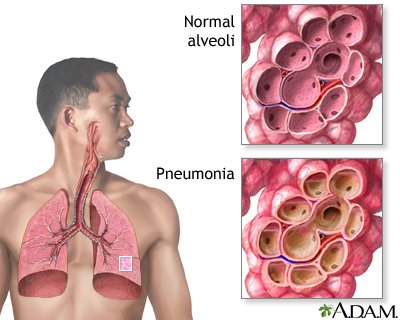
Walking pneumonia, also known as atypical pneumonia, is a milder form of pneumonia that can be caused by various bacteria or viruses. Although it is typically less severe than typical pneumonia, walking pneumonia can still lead to complications and potentially more serious illnesses if left untreated. In this article, we will delve into the potential risks associated with walking pneumonia and how it can progress to more severe conditions.
What is Walking Pneumonia?
Walking pneumonia is a type of pneumonia that does not necessitate bed rest or hospitalization. It earned the moniker walking pneumonia because individuals with this condition can often carry on with their daily activities despite being unwell. Common causes of walking pneumonia include bacteria such as Mycoplasma pneumoniae or viruses like the influenza virus.
Symptoms of walking pneumonia may include:
- Persistent cough
- Mild fever
- Fatigue
- Chest pain
- Shortness of breath
Factors Leading to Walking Pneumonia
Several factors can contribute to the development of walking pneumonia, including:
- Weakened immune system
- Smoking or exposure to secondhand smoke
- Living or working in crowded environments
- Age, with children and older adults being more susceptible
Diagnosis and Testing
Diagnosing walking pneumonia often involves a physical exam, chest X-ray, and lab tests to determine the presence of bacteria or viruses. Testing may also include blood cultures or sputum samples to identify the specific cause of the infection.
Treatment Options
Treatment for walking pneumonia typically includes antibiotics for bacterial infections or antiviral medications for viral cases. In addition to medication, adequate rest, hydration, and symptom management are crucial for recovery. It is essential to follow the prescribed treatment plan and attend follow-up appointments to monitor progress and ensure complete recovery.
Can Walking Pneumonia Lead to More Serious Illnesses?
Although walking pneumonia is generally perceived as a mild illness, it can escalate to more serious complications if not promptly addressed. Some potential risks associated with walking pneumonia include:
Acute Respiratory Distress Syndrome (ARDS): Severe cases of walking pneumonia can progress to ARDS, a critical condition that severely impairs lung function and oxygen exchange.
Pleural Effusion: Walking pneumonia may lead to pleural effusion, where fluid accumulates in the pleural cavity surrounding the lungs. This can cause breathing difficulties and chest discomfort.
Sepsis: In rare instances, walking pneumonia can trigger sepsis, a life-threatening condition characterized by a systemic inflammatory response to infection. Sepsis can result in organ failure and mortality if not treated promptly.
Lung Abscess: Although uncommon, walking pneumonia can lead to the formation of a lung abscess, a localized collection of pus within lung tissue. This can manifest as severe chest pain, coughing up blood, and respiratory distress.
Risk Factors for Complications
Certain factors may increase the likelihood of developing complications from walking pneumonia, including:
- Underlying health conditions such as asthma or COPD
- Delayed diagnosis and treatment
- Non-compliance with prescribed medications
- Smoking or exposure to environmental pollutants
Long-Term Effects
In some cases, individuals who have experienced walking pneumonia may continue to experience lingering symptoms or long-term respiratory issues. It is essential to monitor symptoms closely and follow up with healthcare providers as needed for ongoing management and care.
Prognosis and Recovery
With prompt diagnosis and appropriate treatment, the prognosis for walking pneumonia is generally favorable. Most individuals recover fully without long-term consequences, especially with adherence to treatment recommendations and lifestyle modifications.
How is Walking Pneumonia Treated?
Treatment for walking pneumonia typically involves antibiotics if the cause is bacterial, or antiviral medications if the cause is viral. In addition to medication, rest, staying hydrated, and avoiding smoking are important for recovery. In some cases, hospitalization may be necessary for more severe cases of walking pneumonia.
Medication Management
Proper administration of prescribed medications is vital for treating walking pneumonia effectively. It is essential to take antibiotics or antiviral drugs as directed and complete the full course of treatment to ensure eradication of the infection.
Symptom Relief
Managing symptoms such as cough, fever, and chest pain is essential for improving comfort and overall well-being during the recovery period. Over-the-counter pain relievers, cough suppressants, and expectorants may be recommended to alleviate discomfort.
Follow-Up Care
After initial treatment for walking pneumonia, follow-up appointments with healthcare providers are essential to monitor progress and address any lingering symptoms or concerns. Additional testing or imaging may be necessary to ensure complete resolution of the infection.
Prevention of Walking Pneumonia
Preventing walking pneumonia involves adopting good hygiene practices and lifestyle habits, such as:
- Washing hands frequently with soap and water
- Avoiding close contact with individuals who are sick
- Getting vaccinated against respiratory infections, including the flu and pneumonia
- Maintaining a healthy diet rich in fruits and vegetables
- Engaging in regular physical activity to support immune function
Environmental Precautions
Taking steps to minimize exposure to environmental pollutants, allergens, and respiratory irritants can help reduce the risk of developing respiratory infections like walking pneumonia. Keeping indoor spaces well-ventilated and clean can also contribute to a healthier respiratory environment.
Travel Precautions
When traveling, especially to regions with higher incidence of respiratory infections, it is important to practice good hygiene and take necessary precautions to prevent exposure to potential pathogens. Consider getting vaccinated or taking prophylactic measures based on travel recommendations.
Community Education
Raising awareness about the importance of respiratory health and preventive measures for walking pneumonia within communities can help reduce the overall burden of respiratory infections. Providing information on vaccination clinics, hygiene practices, and symptom recognition can empower individuals to take proactive steps to protect their health.
In conclusion, while walking pneumonia is generally considered a mild illness, it can lead to more serious complications if not promptly diagnosed and treated. By understanding the potential risks associated with walking pneumonia, following preventive measures, and seeking timely medical attention when needed, individuals can safeguard their respiratory health and reduce the likelihood of developing severe conditions. If you suspect you have walking pneumonia, consult with a healthcare provider for proper evaluation and management.
FAQ
- What is Walking Pneumonia?
Walking pneumonia is a milder form of pneumonia that does not require bed rest or hospitalization. It can be caused by bacteria or viruses and is characterized by symptoms such as a persistent cough, mild fever, fatigue, chest pain, and shortness of breath.
- Can Walking Pneumonia Lead to More Serious Illnesses?
Yes, walking pneumonia can lead to more serious illnesses if left untreated. Some potential complications include Acute Respiratory Distress Syndrome (ARDS), Pleural Effusion, Sepsis, and Lung Abscess.
- How is Walking Pneumonia Treated?
Treatment for walking pneumonia typically involves antibiotics if the cause is bacterial, or antiviral medications if the cause is viral. Rest, hydration, and symptom management are also important aspects of treatment.
- Why is it Important to Seek Medical Attention for Walking Pneumonia?
It is important to seek medical attention if you suspect you have walking pneumonia because early diagnosis and treatment can help prevent serious complications such as ARDS, Pleural Effusion, Sepsis, and Lung Abscess.