How many deaths are linked to Ozempic
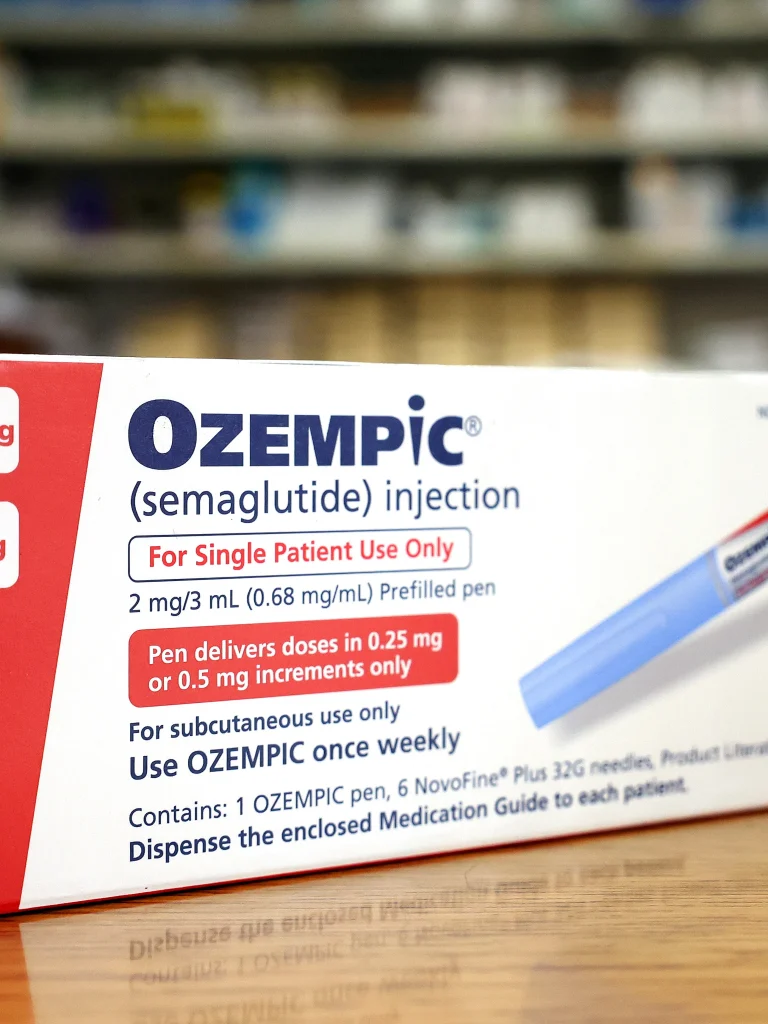
Ozempic is a medication used to treat type 2 diabetes in adults. It is a popular drug that has been prescribed to millions of patients worldwide. However, there have been concerns raised about the potential link between Ozempic and deaths.
Understanding Ozempic
Before we delve into the topic of deaths linked to Ozempic, let’s first understand what Ozempic is and how it works. Ozempic is a brand name for the drug semaglutide, which belongs to a class of medications called glucagon-like peptide-1 (GLP-1) receptor agonists. It works by stimulating the release of insulin and decreasing the production of glucagon in the body, which helps to lower blood sugar levels in patients with type 2 diabetes.
Ozempic is administered via injection and is typically used in conjunction with diet and exercise to improve blood sugar control. It is important for patients to follow their healthcare provider’s instructions carefully when using Ozempic to ensure its effectiveness and safety.
Reported Deaths Linked to Ozempic
In recent years, there have been reports of deaths linked to the use of Ozempic. While the exact number of deaths attributed to Ozempic is not publicly available, there have been cases where patients taking Ozempic have experienced adverse events that led to their death. These events include cardiovascular issues, pancreatitis, kidney problems, and severe allergic reactions.
Healthcare professionals and regulatory agencies are closely monitoring the safety of Ozempic and investigating any reported deaths to determine the exact cause and assess the overall risk associated with its use. Patients who experience any concerning symptoms while taking Ozempic should seek immediate medical attention to prevent any serious complications.
Safety Concerns and Regulatory Actions
The potential link between Ozempic and deaths has raised safety concerns among healthcare professionals and regulatory authorities. The U.S. Food and Drug Administration (FDA) and other regulatory agencies have been monitoring the safety of Ozempic and have issued warnings about the potential risks associated with its use.
In response to the reported deaths and safety concerns, regulatory agencies may update the prescribing information for Ozempic to include warnings and precautions for healthcare providers and patients. It is essential for healthcare providers to stay informed about the latest safety information regarding Ozempic to ensure the well-being of their patients.
Risk Factors and Precautions
It is important for patients taking Ozempic to be aware of the potential risks and to take precautions to minimize the likelihood of adverse events. Some of the risk factors associated with Ozempic include:
- Cardiovascular disease: Patients with a history of heart problems may be at increased risk of cardiovascular events while taking Ozempic.
- Kidney problems: Ozempic may affect kidney function, so patients with pre-existing kidney issues should be closely monitored.
- Pancreatitis: There have been reports of pancreatitis in patients using Ozempic, so individuals with a history of pancreas-related issues should exercise caution.
- Allergic reactions: Some patients may experience severe allergic reactions to Ozempic, which can be life-threatening if not promptly treated.
Patients should consult their healthcare provider before starting Ozempic and should be monitored regularly for any signs of adverse events. It is also important to follow the prescribed dosage and to report any unusual symptoms to a healthcare professional immediately.
Conclusion
In conclusion, while there have been reports of deaths linked to Ozempic, the exact number of deaths attributed to the drug is not publicly available. Patients taking Ozempic should be aware of the potential risks and should take precautions to minimize the likelihood of adverse events. Consulting with a healthcare provider and following their guidance is essential for safe and effective use of Ozempic. Regular monitoring and open communication with healthcare providers can help ensure the well-being of patients using Ozempic for the management of type 2 diabetes.
FAQ
How many deaths are linked to Ozempic?
- The exact number of deaths attributed to Ozempic is not publicly available, but there have been reports of patients experiencing adverse events that led to their death.
What are some of the risk factors associated with Ozempic?
- Some risk factors associated with Ozempic include cardiovascular disease, kidney problems, pancreatitis, and severe allergic reactions.
What precautions should patients taking Ozempic take to minimize adverse events?
- Patients should consult their healthcare provider before starting Ozempic, be monitored regularly for any signs of adverse events, follow the prescribed dosage, and report any unusual symptoms to a healthcare professional immediately.
What actions have regulatory agencies taken regarding the safety of Ozempic?
- Regulatory agencies, such as the U.S. Food and Drug Administration, have been monitoring the safety of Ozempic and have issued warnings about the potential risks associated with its use.