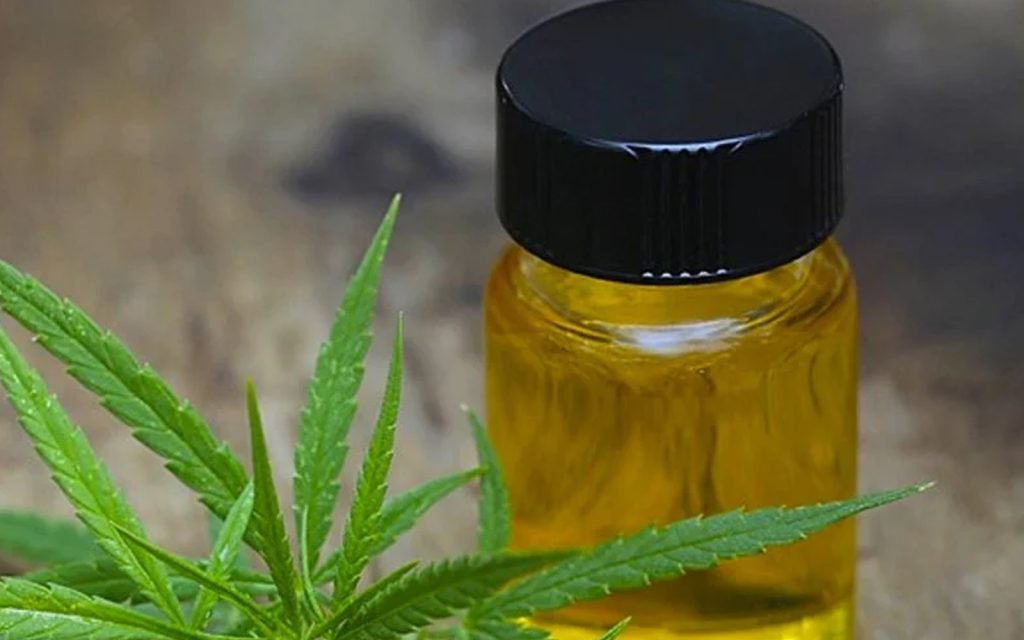
How Cannabis Can Improve Recovery from Surgery
When it comes to recovering from surgery, many patients are looking for ways to speed up the healing process and manage their pain. One alternative treatment that is gaining popularity is the use of cannabis. While some may be hesitant to try cannabis due to its controversial reputation, research has shown that it can have a positive impact on recovery from surgery.
How Cannabis Works in the Body
Cannabis contains compounds called cannabinoids that interact with the body’s endocannabinoid system. This system plays a role in regulating various functions such as pain, mood, appetite, and inflammation. When cannabis is consumed, cannabinoids bind to receptors in the body, which can help reduce pain and inflammation and promote relaxation.
Cannabinoids in cannabis can also help regulate the immune system and aid in the healing process after surgery. By modulating the body’s inflammatory response, cannabis can reduce swelling and promote faster recovery.
Furthermore, cannabis can help improve circulation and blood flow, which is essential for delivering nutrients and oxygen to the surgical site. This enhanced blood flow can accelerate healing and reduce the risk of complications.
In addition, cannabis has neuroprotective properties that can help protect the nervous system from damage during and after surgery. This can lead to improved nerve function and overall better outcomes for patients.
Benefits of Using Cannabis for Surgical Recovery
Pain Management
One of the most common reasons patients use cannabis after surgery is for pain management. Cannabis has been shown to be effective in reducing both acute and chronic pain. This can be especially helpful for individuals who are looking to avoid or reduce their use of opioid pain medications, which can be addictive and have side effects.
In addition to reducing pain, cannabis can help alleviate muscle spasms and tension that often accompany surgery. By relaxing the muscles, cannabis can provide relief and improve overall comfort during the recovery process.
Moreover, cannabis can help reduce neuropathic pain, which is caused by nerve damage from surgery. By targeting the endocannabinoid system, cannabis can modulate pain signals and provide long-lasting relief.
Inflammation Reduction
Inflammation is a natural response to surgery, but excessive inflammation can slow down the healing process and cause discomfort. Cannabis has anti-inflammatory properties that can help reduce swelling and promote faster healing.
Cannabis can also help prevent scar tissue formation by reducing inflammation in the surgical site. This can lead to better cosmetic outcomes and improved mobility after surgery.
Furthermore, cannabis can modulate the immune response to prevent excessive inflammation that can lead to complications such as infections. By balancing the immune system, cannabis can support the body’s natural healing processes.
Improved Sleep
Getting enough rest is crucial for the body to recover from surgery. Cannabis has been shown to help improve sleep quality and reduce insomnia. By promoting relaxation and reducing anxiety, cannabis can help patients get the rest they need to heal.
In addition to improving sleep, cannabis can help regulate the sleep-wake cycle, leading to more restful and rejuvenating sleep. This can enhance the body’s healing processes and promote overall well-being during recovery.
Moreover, cannabis can reduce nightmares and night terrors that may occur after surgery, allowing patients to have a more peaceful and uninterrupted sleep. By promoting deep sleep stages, cannabis can enhance the body’s ability to repair and regenerate tissues.
Appetite Stimulation
After surgery, some patients may experience a loss of appetite due to pain, nausea, or medication side effects. Cannabis has been known to stimulate appetite, which can help patients maintain a healthy diet and support their recovery.
Cannabis can also help alleviate nausea and vomiting, common side effects of surgery and anesthesia. By reducing these symptoms, cannabis can improve appetite and ensure that patients are getting the nutrients they need to heal properly.
Furthermore, cannabis can enhance the sense of taste and smell, making food more appealing and enjoyable for patients recovering from surgery. This can increase food intake and support the body’s nutritional needs during the healing process.
Ways to Use Cannabis for Surgical Recovery
CBD Products
CBD, or cannabidiol, is a non-psychoactive compound found in cannabis that has been shown to have therapeutic properties. CBD products such as oils, tinctures, and topicals are widely available and can be used to help manage pain and inflammation without the high associated with THC.
CBD products can be used topically to target specific areas of pain or inflammation after surgery. By applying CBD creams or ointments directly to the surgical site, patients can experience localized relief and faster healing.
Moreover, CBD products can be used in combination with other pain management techniques, such as physical therapy and acupuncture, to enhance the overall effectiveness of treatment. By incorporating CBD into a comprehensive recovery plan, patients can optimize their healing outcomes.
Additionally, CBD products can be used preventatively to reduce the risk of developing chronic pain conditions after surgery. By starting CBD therapy early in the recovery process, patients can mitigate inflammation and pain before they become chronic issues.
Medical Marijuana
In states where medical marijuana is legal, patients may have access to cannabis products with higher levels of THC. These products can be helpful for managing severe pain and other symptoms associated with surgery. It is important to consult with a healthcare provider before using medical marijuana to ensure safe and effective use.
Medical marijuana can be used in various forms, such as smoking, vaping, or ingesting, depending on the patient’s preferences and needs. By working with a healthcare provider to determine the best delivery method, patients can optimize the therapeutic effects of medical marijuana.
Moreover, medical marijuana can be customized to meet the individual needs of patients recovering from surgery. By adjusting the ratio of THC to CBD and other cannabinoids, healthcare providers can tailor treatment plans to address specific symptoms and conditions.
Additionally, medical marijuana can be used in combination with other medications to enhance pain relief and improve overall well-being. By integrating medical marijuana into a multidisciplinary treatment approach, patients can achieve better outcomes and faster recovery.
Edibles
Edible cannabis products such as gummies, chocolates, and beverages can provide a convenient way to consume cannabis without the need to smoke. Edibles offer long-lasting effects and can be a discreet option for patients recovering from surgery.
Edibles can be easily dosed and titrated to meet individual needs and preferences. By starting with a low dose and gradually increasing as needed, patients can find the right balance of effects for their recovery goals.
Moreover, edibles can be infused with specific cannabinoids and terpenes to target specific symptoms and conditions. By selecting edibles with the appropriate ingredients, patients can enhance the therapeutic benefits of cannabis and optimize their recovery.
Additionally, edibles can be used as a supplement to other cannabis products or treatments to provide sustained relief throughout the day. By incorporating edibles into a comprehensive recovery plan, patients can experience consistent and long-lasting effects.
Precautions to Consider
While cannabis can offer benefits for surgical recovery, it is important to use it responsibly and under the guidance of a healthcare provider. Patients should be aware of the legal implications of using cannabis in their state and be mindful of potential side effects such as dizziness, dry mouth, and impaired coordination. It is also important to start with a low dose and gradually increase as needed to avoid unpleasant experiences.
Patients should disclose their cannabis use to their healthcare providers to ensure safe and effective treatment. By communicating openly with medical professionals, patients can receive personalized guidance and support for incorporating cannabis into their recovery plan.
Furthermore, patients should be aware of potential drug interactions between cannabis and other medications they may be taking. By consulting with a healthcare provider or pharmacist, patients can avoid adverse effects and ensure that their treatment is optimized for safety and efficacy.
In conclusion, cannabis can be a valuable tool for improving recovery from surgery. With its pain-relieving, anti-inflammatory, and relaxing properties, cannabis can help patients manage their symptoms and support their healing process. By exploring different forms of cannabis and working with healthcare providers, patients can find a safe and effective way to incorporate cannabis into their post-surgery recovery plan.
FAQ
Can cannabis help with pain management after surgery?
- Yes, cannabis has been shown to be effective in reducing both acute and chronic pain after surgery.
Does cannabis help reduce inflammation during surgical recovery?
- Cannabis has anti-inflammatory properties that can help reduce swelling and promote faster healing post-surgery.
Can cannabis improve sleep quality for patients recovering from surgery?
- Yes, cannabis has been shown to help improve sleep quality and reduce insomnia, promoting better rest for recovery.
Does cannabis stimulate appetite for patients who have lost their appetite after surgery?
- Yes, cannabis has been known to stimulate appetite, helping patients maintain a healthy diet and support their recovery process.