How Pink Cocaine Impacts the Brain
Pink cocaine, also known as U-47700, is a dangerous synthetic drug that has been gaining attention for its potent effects on the brain. In this article, we will delve into how pink cocaine impacts the brain and explore the potential risks and consequences associated with its use.
What is Pink Cocaine?
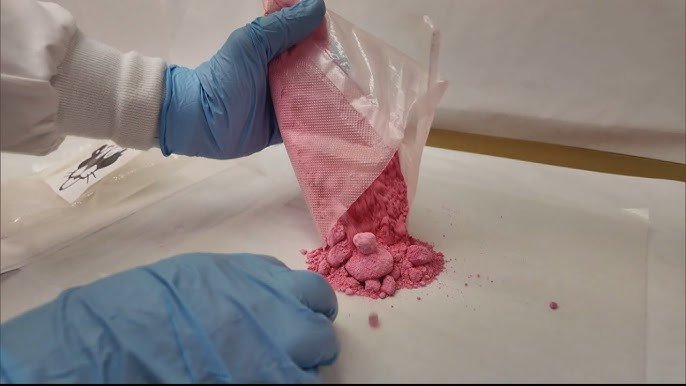
Pink cocaine, or U-47700, is a synthetic opioid that closely resembles morphine in structure but is much more powerful. Typically found in white or pink powder form, pink cocaine is commonly ingested through snorting, injecting, or oral consumption. Classified as a Schedule I controlled substance in the United States, pink cocaine is deemed to have a high potential for abuse and lacks accepted medical applications.
Key Points:
- Pink cocaine, also known as U-47700, is a synthetic opioid that is highly potent.
- It is commonly encountered in white or pink powder form.
- The drug is typically consumed through snorting, injecting, or oral ingestion.
How Does Pink Cocaine Affect the Brain?
Pink cocaine exerts its effects by attaching to opioid receptors in the brain, which play a crucial role in modulating pain and pleasure sensations. Upon ingestion, pink cocaine triggers a release of dopamine, a neurotransmitter linked to feelings of pleasure and reward. This dopamine surge can induce a brief yet intense euphoric high.
However, the impact of pink cocaine on the brain extends beyond pleasurable sensations and can lead to a variety of adverse effects, such as:
- Confusion
- Dizziness
- Respiratory depression
- Coma
- Fatality
Key Points:
- Pink cocaine interacts with opioid receptors in the brain, influencing pain and pleasure sensations.
- The drug prompts a flood of dopamine, resulting in a short-lived euphoric experience.
- Negative side effects of pink cocaine include confusion, dizziness, and respiratory depression.
Risks of Using Pink Cocaine
The use of pink cocaine poses significant risks to both physical and mental well-being. Prolonged consumption of the drug can culminate in addiction, dependence, and tolerance, necessitating escalating doses to achieve desired effects. This escalation heightens the likelihood of overdose and other detrimental outcomes.
Furthermore, pink cocaine can instigate various adverse effects on the brain and body, including:
- Impaired cognitive function
- Memory impairment
- Increased susceptibility to mental health disorders like depression and anxiety
- Damage to vital organs such as the heart and liver
Key Points:
- Chronic pink cocaine use can lead to addiction, dependence, and tolerance.
- Negative effects encompass impaired judgment, memory loss, and cognitive decline.
- The drug can also result in organ damage and heightened risk of mental health disorders.
Treatment for Pink Cocaine Addiction
Should you or someone you know be grappling with pink cocaine addiction, prompt intervention is imperative. Treatment for pink cocaine addiction typically involves a blend of therapy, medication, and participation in support groups. Collaborating with a qualified healthcare professional to devise a personalized treatment regimen is crucial.
In conclusion, pink cocaine represents a perilous synthetic substance that can exert severe repercussions on the brain and body. It is vital to comprehend the perils associated with its use and to seek assistance if addiction is a concern. Remember, assistance is accessible, and recovery is attainable.
FAQ about Pink Cocaine
What is Pink Cocaine?
Pink cocaine, also known as U-47700, is a synthetic opioid that is similar in structure to morphine but is much more potent. It is often sold as a white or pink powder and is typically snorted, injected, or taken orally. Pink cocaine is classified as a Schedule I controlled substance in the United States, meaning that it has a high potential for abuse and no accepted medical use.
How Does Pink Cocaine Affect the Brain?
Pink cocaine works by binding to opioid receptors in the brain, which are responsible for regulating pain and pleasure sensations. When a person takes pink cocaine, it floods the brain with dopamine, a neurotransmitter that is associated with feelings of pleasure and reward. This surge of dopamine can create a euphoric high that is intense and short-lived.
What are the Risks of Using Pink Cocaine?
The use of pink cocaine can have serious consequences for both physical and mental health. Chronic use of the drug can lead to addiction, dependence, and tolerance, meaning that a person may need to take increasingly higher doses to achieve the same effects. This can increase the risk of overdose and other adverse effects.
How is Pink Cocaine Addiction Treated?
If you or someone you know is struggling with pink cocaine addiction, it is important to seek help as soon as possible. Treatment for pink cocaine addiction typically involves a combination of therapy, medication, and support groups. It is important to work with a qualified healthcare professional to develop a treatment plan that is tailored to your individual needs.