How to Recognize Pink Cocaine
Pink cocaine is a dangerous and deadly drug that has been making headlines in recent years. This synthetic drug is known for its pink color and powerful effects, which can be extremely harmful to those who use it. In this article, we will discuss how to recognize pink cocaine and the dangers associated with this substance.
What is Pink Cocaine?
Pink cocaine is a synthetic drug that is made from a combination of various chemicals and substances. The drug gets its pink color from the dyes and additives that are used during the manufacturing process. Pink cocaine is a highly potent stimulant that can have devastating effects on the body and mind of the user.
Pink cocaine is often produced in clandestine laboratories where the manufacturing process involves mixing chemicals and additives to create the pink-colored substance. These laboratories may use low-quality ingredients, increasing the risk of contamination and impurities in the final product.
The synthetic nature of pink cocaine makes it difficult to regulate, leading to variations in potency and composition. This lack of consistency can pose additional risks to users, as they may unknowingly consume dangerously high doses of the drug.
Pink cocaine is often marketed and sold under various street names, making it challenging for authorities to track and regulate its distribution. This underground market increases the accessibility of the drug, contributing to its widespread use and availability.
How to Recognize Pink Cocaine
There are several ways to recognize pink cocaine, including:
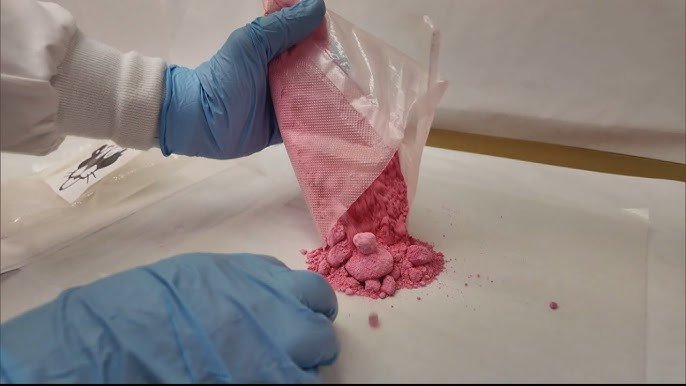
Color: As the name suggests, pink cocaine is a pink-colored substance that is often sold in powder form. The color of the drug is a result of the dyes and additives used during production. Users should be cautious of any substance with a vibrant pink hue.
Texture: Pink cocaine is typically a fine powder that can be snorted, smoked, or injected. The texture of the drug is similar to other forms of cocaine, but the pink color sets it apart. The powdery consistency may clump together or have a gritty feel.
Packaging: Pink cocaine is often sold in small baggies or packets that are labeled with various logos or designs. The packaging may also include warnings about the dangers of the drug. Users should be wary of unmarked or suspicious packaging.
Effects: The effects of pink cocaine are similar to other forms of cocaine, but the drug is often more potent and dangerous. Users may experience increased heart rate, elevated blood pressure, and intense euphoria. The rapid onset of these effects can be a red flag for the presence of pink cocaine.
Pink cocaine may also have a distinct chemical smell that differs from other substances. Users should pay attention to any unusual odor when identifying the drug.
Dangers of Pink Cocaine
Pink cocaine is a highly dangerous drug that can have severe consequences for those who use it. Some of the dangers associated with pink cocaine include:
Addiction: Pink cocaine is highly addictive, and users may quickly develop a tolerance to the drug, leading to increased use and dependence. The cycle of addiction can be difficult to break without professional intervention.
Health Risks: The powerful stimulant effects of pink cocaine can put a significant strain on the heart and cardiovascular system, leading to heart attacks, strokes, and other serious health issues. Prolonged use of the drug can cause irreversible damage to the body.
Overdose: Due to the potency of pink cocaine, users are at a high risk of overdose, which can be fatal. Overdosing on pink cocaine can cause respiratory failure, seizures, and coma. Recognizing the signs of overdose and seeking immediate medical attention is crucial in these situations.
Legal Consequences: Possession and distribution of pink cocaine are illegal in most countries, and those caught with the drug can face severe legal penalties, including imprisonment. Engaging in illegal activities related to pink cocaine can have long-lasting repercussions on an individual’s life.
Conclusion
In conclusion, recognizing pink cocaine is essential to protect yourself and others from the dangers of this powerful drug. By understanding the characteristics of pink cocaine and being aware of the risks associated with its use, you can make informed decisions to avoid this dangerous substance. If you or someone you know is struggling with substance abuse, seek help from a qualified professional immediately.
Remember, the best way to stay safe is to avoid using drugs altogether. Stay informed, stay safe.
FAQ
1. What is Pink Cocaine?
Pink cocaine is a synthetic drug made from a combination of chemicals and substances, known for its pink color and potent stimulant effects.
2. How can I recognize Pink Cocaine?
Pink cocaine can be recognized by its pink color, fine powder texture, packaging in small baggies with logos or designs, and its potent effects on the body and mind.
3. What are the dangers of using Pink Cocaine?
Some dangers of using pink cocaine include addiction, health risks such as heart strain and cardiovascular issues, high risk of overdose, and severe legal consequences due to its illegal status.
4. What are the effects of Pink Cocaine?
The effects of pink cocaine are similar to other forms of cocaine, including increased heart rate, elevated blood pressure, and intense euphoria. However, pink cocaine is often more potent and dangerous than other forms of the drug.