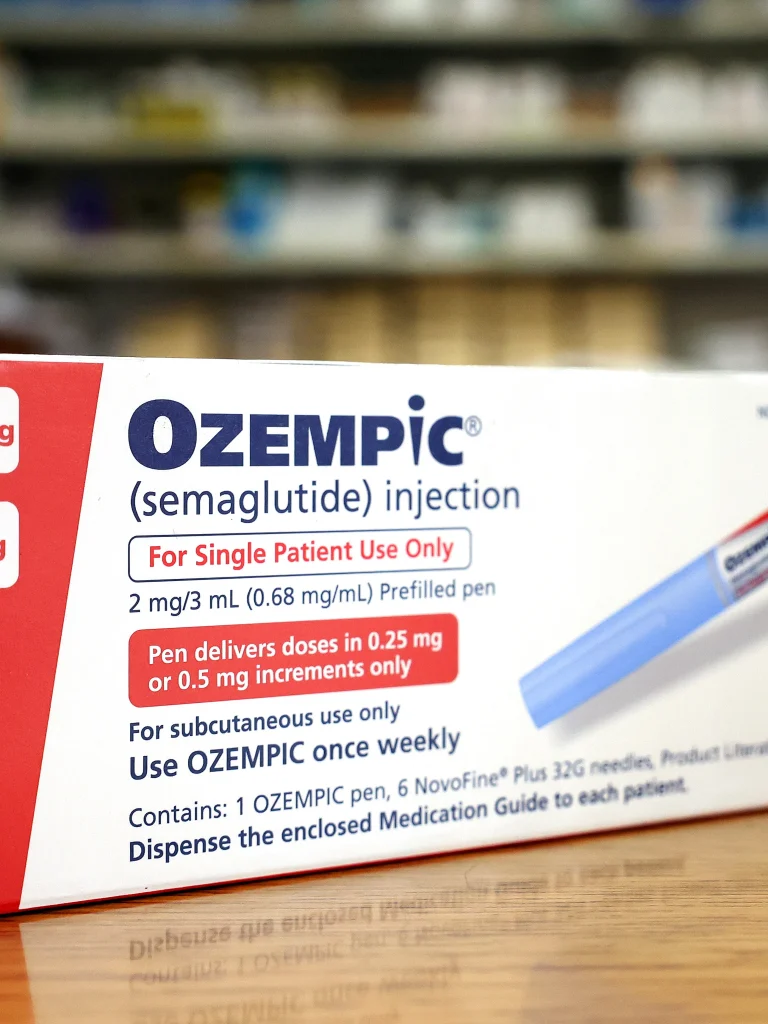
Mastering Your Ozempic Pen: In-Depth Troubleshooting and Expert Tips
Troubleshooting Scenarios: Deep Dive
1. No Medication Flow Troubleshooting
Needle Attachment Issues
When experiencing no medication flow, the first critical step is to carefully examine the needle attachment. Improper attachment can completely block medication delivery. Look for these specific signs:
- Loose needle connection
- Misaligned needle base
- Partial needle insertion
- Bent or damaged needle tip
Comprehensive Troubleshooting Steps:
- Completely remove the current needle
- Inspect the needle attachment mechanism
- Clean the pen’s needle connection area with an alcohol swab
- Attach a brand new, sterile needle
- Ensure needle is screwed on tightly
- Perform a slow, careful priming process
- Watch for a clear droplet at the needle tip
Priming Procedure Mastery
Priming is not just a simple step—it’s a critical process that ensures:
- Complete air bubble removal
- Accurate medication delivery
- Prevention of potential injection complications
- Consistent medication flow
Advanced Priming Techniques:
- Hold pen perfectly vertical during priming
- Use gentle, consistent pressure
- Tap pen gently to encourage air bubble movement
- Repeat priming process if no droplet appears
- Check needle for any visible obstruction
2. Dose Button Difficulties
Mechanical Challenges
Dose button problems can stem from multiple sources:
- Internal mechanism wear
- Temperature-related stiffness
- Accumulated medication residue
- Manufacturing inconsistencies
Detailed Troubleshooting Approach:
- Verify pen is at room temperature
- Apply gentle, consistent pressure
- Avoid forcing the mechanism
- Check for visible mechanical damage
- Rotate dose selector slowly and smoothly
When to Seek Professional Help
Red flags indicating professional intervention:
- Persistent hard-to-turn dose selector
- Clicking or grinding sounds
- Inconsistent dose measurements
- Visible pen body damage
3. Air Bubble Elimination Strategies
Comprehensive Bubble Detection
Air bubbles can significantly impact medication delivery:
- Reduce actual medication volume
- Create inconsistent injection experience
- Potentially affect treatment effectiveness
Advanced Air Bubble Removal Techniques:
- Always prime standing up
- Use bright, natural lighting to inspect
- Tap pen gently with finger
- Allow gravity to assist bubble movement
- Rotate pen slowly during priming
- Observe needle tip carefully for clear droplet
Enhanced Safety Precautions
Injection Site Management
Rotation Methodology
Proper injection site rotation prevents:
- Skin tissue damage
- Reduced medication absorption
- Potential injection site complications
Comprehensive Rotation Strategy:
- Create a detailed tracking map of injection sites
- Maintain minimum 1-inch distance between injections
- Rotate through primary zones:
- Abdomen (most recommended)
- Outer thigh
- Upper arm (with assistance)
- Document each injection location
- Allow previous sites adequate recovery time
Site Preparation Techniques
- Clean selected area with alcohol swab
- Allow complete air drying
- Pinch skin gently if recommended
- Maintain consistent injection angle
- Use smooth, quick insertion technique
Storage and Maintenance Protocols
Temperature Sensitivity Management
Precise temperature control is crucial:
- Refrigeration range: 36°F to 46°F
- Room temperature limit: Below 86°F
- Avoid direct sunlight exposure
- Protect from temperature fluctuations
Storage Best Practices:
- Use dedicated medication refrigerator section
- Invest in digital temperature monitor
- Create temperature log
- Develop backup storage plan
- Pack with ice packs during travel
Professional Guidance Escalation
Red Flags Requiring Immediate Attention
- Persistent medication delivery issues
- Unexplained dose inconsistencies
- Visible pen structural damage
- Solution discoloration
- Unusual medication appearance
- Multiple reset attempts fail
Recommended Action Protocol:
- Stop using pen immediately
- Photograph potential issues
- Contact healthcare provider
- Retain pen for potential manufacturer investigation
- Request replacement
Conclusion: Empowered Medication Management
Mastering your Ozempic pen reset is about more than following steps—it’s about understanding the nuanced process of precise medication delivery. By implementing these comprehensive strategies, you transform a simple medical task into a sophisticated health management approach.
Final Pro Tip: Create a dedicated medication management log to track your pen’s performance, injection sites, and any unusual observations.
Disclaimer: This guide provides comprehensive information but cannot replace personalized medical advice. Always consult your healthcare provider for specific guidance.