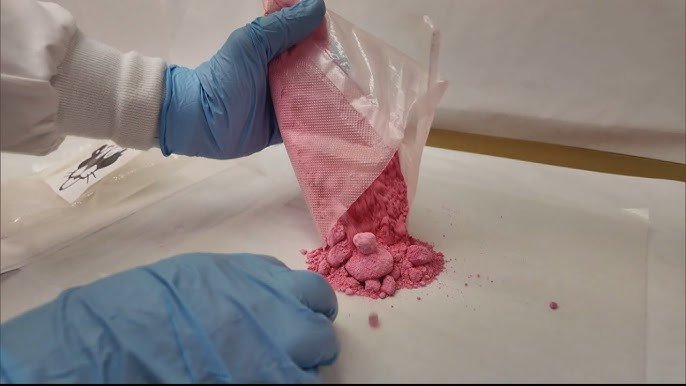
Pink Cocaine vs. Ketamine: Differences in Effects
When it comes to recreational drugs, Pink Cocaine and Ketamine are two substances that are often compared due to their similar effects. However, there are key differences between the two that users should be aware of. In this article, we will explore the differences in effects between Pink Cocaine and Ketamine.
Pink Cocaine
Pink Cocaine, also known as U-47700, is a synthetic opioid that was developed in the 1970s. It is a potent analgesic that acts on the central nervous system to produce feelings of euphoria and relaxation. Pink Cocaine is often used recreationally for its sedative and pain-relieving effects.
Effects of Pink Cocaine
- Euphoria: Pink Cocaine produces intense feelings of euphoria and pleasure, which can be highly addictive for some users.
- Sedation: Users may experience sedation and relaxation after taking Pink Cocaine, making it a popular choice for those seeking to unwind.
- Pain relief: Pink Cocaine is known for its analgesic properties and may be used to alleviate both physical and emotional pain.
- Nausea: Some users may experience nausea or vomiting after taking Pink Cocaine, which can be a common side effect.
- Respiratory depression: Pink Cocaine can cause respiratory depression, which can be dangerous at high doses and requires careful monitoring.
Ketamine
Ketamine is a dissociative anesthetic that is commonly used in medical settings. It produces hallucinogenic effects and is known for its ability to induce a trance-like state. Ketamine is often used recreationally for its psychedelic effects.
Effects of Ketamine
- Hallucinations: Ketamine can cause visual and auditory hallucinations, leading to a distorted perception of reality.
- Dissociation: Users may feel disconnected from their body or surroundings while under the influence of Ketamine, creating a sense of detachment.
- Euphoria: Ketamine can produce feelings of euphoria and well-being, making it appealing to those seeking an altered state of mind.
- Analgesia: Ketamine has analgesic properties and may be used to relieve pain, especially in medical settings.
- Bladder problems: Long-term use of Ketamine can lead to bladder issues such as incontinence and pain, which can have serious long-term consequences.
Differences in Effects
While both Pink Cocaine and Ketamine can produce euphoria and relaxation, there are key differences in their effects. Pink Cocaine is an opioid that acts primarily as a pain reliever, whereas Ketamine is a dissociative anesthetic that produces hallucinogenic effects.
- Pink Cocaine is more sedating and may be preferred for its calming effects, making it popular for those seeking relaxation.
- Ketamine is more hallucinogenic and may be preferred for its psychedelic effects, appealing to those interested in altered states of consciousness.
- Pink Cocaine is more likely to cause nausea and respiratory depression at high doses, requiring careful dosing and monitoring.
- Ketamine is more likely to cause dissociation and bladder problems with long-term use, highlighting the importance of responsible use and moderation.
In conclusion, Pink Cocaine and Ketamine are two distinct substances with different effects. Users should be aware of these differences and use caution when experimenting with either drug. It is important to remember that both substances can be dangerous and addictive, and should be used responsibly.
FAQ
What is Pink Cocaine?
Pink Cocaine, also known as U-47700, is a synthetic opioid developed in the 1970s known for its sedative and pain-relieving effects.
What are the effects of Pink Cocaine?
The effects of Pink Cocaine include euphoria, sedation, pain relief, nausea, and respiratory depression.
What is Ketamine?
Ketamine is a dissociative anesthetic commonly used in medical settings that produces hallucinogenic effects and a trance-like state.
What are the effects of Ketamine?
The effects of Ketamine include hallucinations, dissociation, euphoria, analgesia, and potential bladder problems with long-term use.