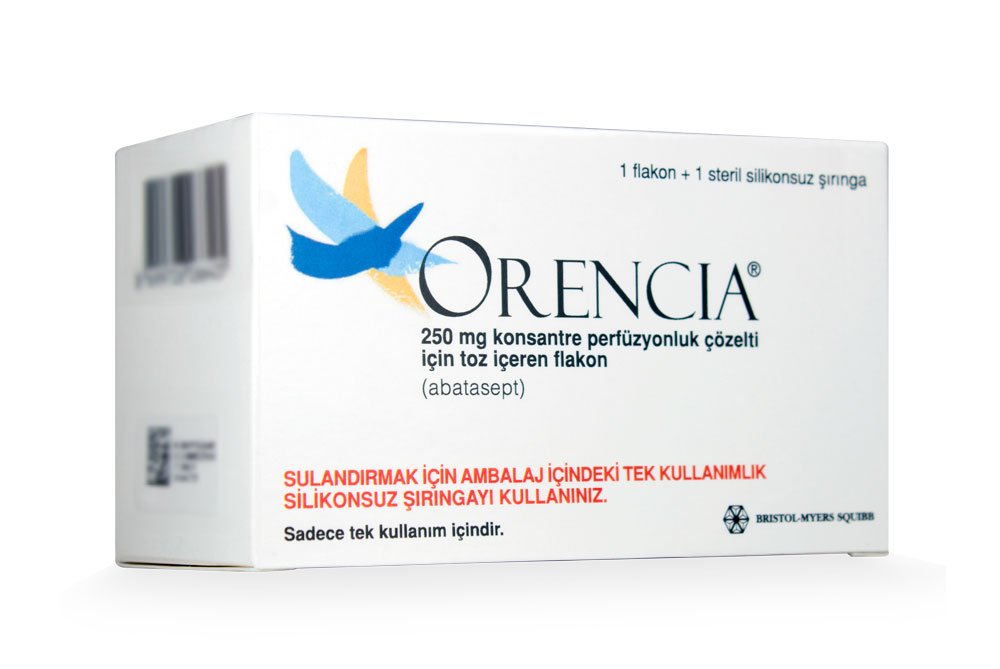
Potential Drug Interactions with Orencia: What to Avoid
When it comes to managing chronic conditions like rheumatoid arthritis, many patients rely on medications like Orencia (abatacept) to help control their symptoms and improve their quality of life. However, it’s important to be aware of potential drug interactions that could impact the effectiveness of Orencia or cause harmful side effects. Here’s what you need to know about potential drug interactions with Orencia and how to avoid them.
Understanding Orencia
Orencia is a biologic medication that works by targeting specific proteins in the body that are involved in the inflammatory process. It is commonly used to treat rheumatoid arthritis in adults who have not responded well to other disease-modifying antirheumatic drugs (DMARDs). Orencia is typically administered as an infusion or an injection, and it is often prescribed in combination with other medications to help manage symptoms and slow the progression of the disease.
Orencia is known to be effective in reducing joint pain and swelling in patients with rheumatoid arthritis. By targeting specific proteins involved in inflammation, Orencia helps to regulate the immune response and prevent further damage to the joints. This can lead to improved mobility and overall quality of life for individuals living with this chronic condition.
In addition to rheumatoid arthritis, Orencia is also used in the treatment of other autoimmune conditions such as psoriatic arthritis and juvenile idiopathic arthritis. Its mechanism of action makes it a valuable treatment option for patients who have not responded well to traditional DMARDs or other biologic medications.
Common Drug Interactions with Orencia
While Orencia is generally considered safe and well-tolerated, there are some medications that can interact with it and potentially cause problems. Some of the most common drug interactions with Orencia include:
Tumor Necrosis Factor (TNF) Inhibitors: Combining Orencia with other biologic medications that target TNF, such as adalimumab or etanercept, may increase the risk of serious infections or other adverse effects.
Immunosuppressants: Drugs that suppress the immune system, such as methotrexate or azathioprine, can also interact with Orencia and may increase the risk of infections or other complications.
Live Vaccines: Patients taking Orencia should avoid live vaccines, as they may not be as effective or could potentially cause harm. It’s important to discuss vaccination schedules with your healthcare provider if you are taking Orencia.
Cyclophosphamide: This chemotherapy drug may interact with Orencia and increase the risk of side effects. It’s important to discuss the potential risks and benefits of combining these medications with your healthcare provider.
It’s essential to be aware of these potential interactions to ensure the safe and effective use of Orencia in the treatment of rheumatoid arthritis. By understanding these common drug interactions, patients can work with their healthcare providers to develop a comprehensive treatment plan that minimizes the risk of adverse effects.
To minimize the risk of drug interactions with Orencia, patients should take the following precautions:
Keep a Detailed Medication List: Make a list of all medications, supplements, and vitamins you are taking, including the dose and frequency. Share this list with your healthcare provider at every appointment.
Ask Questions: If you are prescribed a new medication or treatment, ask your healthcare provider about potential interactions with Orencia. Don’t be afraid to speak up and voice any concerns you may have.
Follow Dosage Instructions: Take Orencia exactly as prescribed by your healthcare provider. Do not adjust the dose or frequency without consulting your healthcare provider first.
Monitor for Side Effects: Pay attention to any changes in your symptoms or the way you feel while taking Orencia. Contact your healthcare provider if you experience any unusual or concerning side effects.
Regular Check-Ins: Schedule regular follow-up appointments with your healthcare provider to monitor your progress and discuss any changes in your treatment plan. This will help ensure that your medications are working effectively and that any potential drug interactions are caught early.
By staying informed and proactive about potential drug interactions with Orencia, patients can help ensure that they are receiving the most benefit from their treatment while minimizing the risk of harmful side effects. Remember to always consult with your healthcare provider before making any changes to your medication regimen.
FAQ
- What is Orencia and how does it work?
Orencia is a biologic medication used to treat rheumatoid arthritis by targeting specific proteins involved in the inflammatory process.
- What are some common drug interactions with Orencia?
Common drug interactions with Orencia include TNF inhibitors, immunosuppressants, live vaccines, and cyclophosphamide.
- Why should patients taking Orencia avoid live vaccines?
Patients taking Orencia should avoid live vaccines as they may not be as effective or could potentially cause harm.
- How can patients avoid drug interactions with Orencia?
To avoid drug interactions with Orencia, patients should communicate openly with their healthcare provider about all medications, supplements, and treatments they are taking.