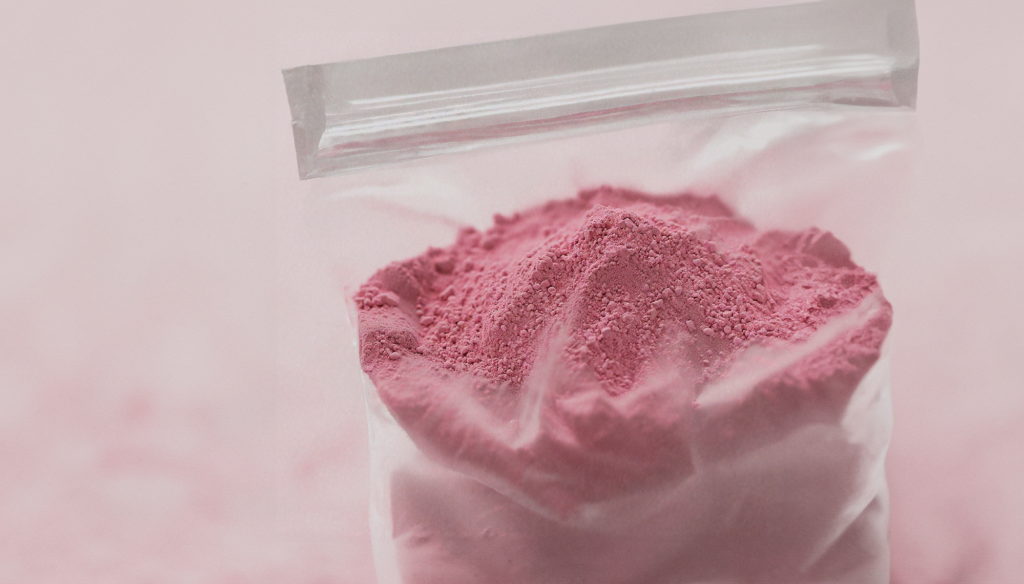
Signs and Symptoms of Pink Cocaine Overdose
Pink cocaine, also known as pink panther or PV4, is a synthetic stimulant that has gained popularity in recent years. While it may produce a euphoric high and increased energy levels, it also poses serious risks, especially when taken in large doses. Overdosing on pink cocaine can have severe consequences, including death. It is important to be aware of the signs and symptoms of an overdose in order to seek help promptly.
Common Signs of Pink Cocaine Overdose
Pink cocaine overdose can manifest in various ways, with some common signs to watch out for including:
Increased Heart Rate: The stimulant properties of pink cocaine can lead to a rapid and irregular heart rate, which may result in chest pain, palpitations, and in severe cases, heart attack.
High Blood Pressure: Users may experience a spike in blood pressure, leading to symptoms such as headaches, dizziness, and even the risk of stroke.
AdvertisementHyperthermia: Overdosing on pink cocaine can cause a dangerous increase in body temperature, known as hyperthermia. This can present with symptoms like confusion, agitation, and in extreme cases, organ failure.
Behavioral Signs of Pink Cocaine Overdose
In addition to physical symptoms, pink cocaine overdose can also affect behavior, with some common behavioral signs including:
Agitation: Overdosing on pink cocaine can result in extreme agitation, restlessness, and irritability.
Paranoia: Users may experience intense paranoia or hallucinations, leading to erratic behavior and mood swings.
Violent Behavior: In some instances, pink cocaine overdose can trigger violent or aggressive behavior towards oneself or others.
Physical Symptoms of Pink Cocaine Overdose
Pink cocaine overdose can also manifest in various physical symptoms, such as:
Dilated Pupils: One physical sign of pink cocaine overdose is dilated pupils, which do not constrict even in bright light.
Sweating: Excessive sweating, known as diaphoresis, is a common symptom of an overdose.
Nausea and Vomiting: Overdosing on pink cocaine can lead to gastrointestinal distress, resulting in symptoms like nausea, vomiting, and abdominal pain.
Immediate Action for Pink Cocaine Overdose
If you suspect someone is experiencing a pink cocaine overdose, it is crucial to take immediate action by following these steps:
- Call Emergency Services: Contact emergency services right away and provide detailed information about the individual’s symptoms and the substance ingested.
- Do Not Leave Alone: Stay with the person and monitor their vital signs until help arrives.
- Seek Medical Help: Prompt medical attention is essential in cases of overdose to prevent further complications and potentially save lives.
In conclusion, recognizing the signs and symptoms of a pink cocaine overdose is crucial for timely intervention and treatment. Seeking help from healthcare professionals or addiction specialists can make a significant difference in managing substance abuse and preventing potential health risks. Remember, early intervention is key in addressing overdose situations and promoting overall well-being.
FAQ
What are the common signs of pink cocaine overdose?
- Increased Heart Rate
- High Blood Pressure
- Hyperthermia
- Respiratory Distress
What are the behavioral signs of pink cocaine overdose?
- Agitation
- Paranoia
- Violent Behavior
- Confusion
What are the physical symptoms of pink cocaine overdose?
- Dilated Pupils
- Sweating
- Nausea and Vomiting
- Muscle Twitching
What immediate action should be taken for pink cocaine overdose?
- Seek immediate medical attention
- Call emergency services
- Provide as much information as possible about the individual’s symptoms.