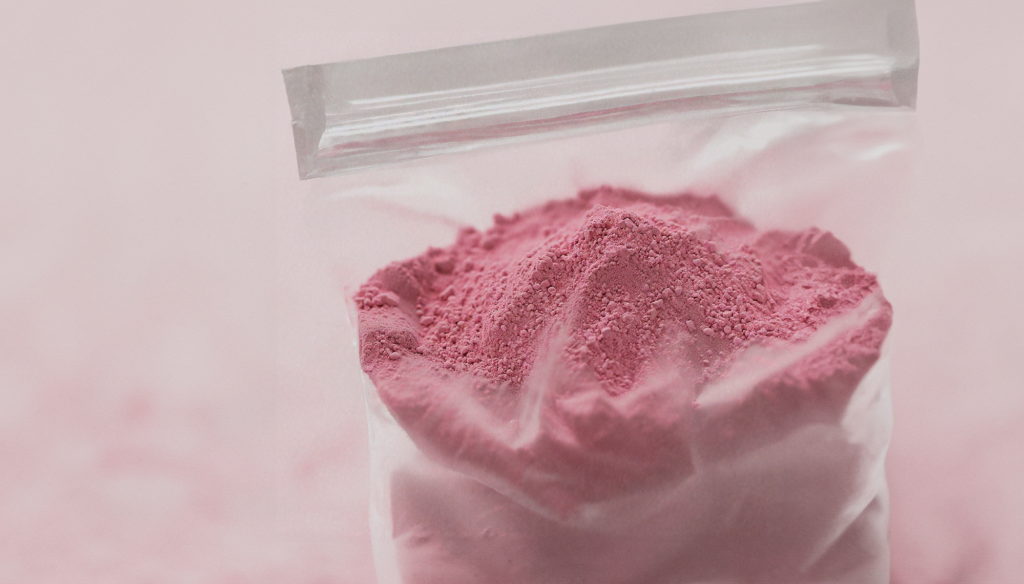
The Legal Status of Pink Cocaine Around the World
Pink cocaine, also known as rosada or rosita in Spanish, is a synthetic drug that has been gaining popularity in recent years. It is a stimulant that produces effects similar to traditional cocaine, but with some key differences. The legal status of pink cocaine varies from country to country, with some nations outright banning the substance, while others have more lenient regulations.
United States
In the United States, pink cocaine is classified as a Schedule II controlled substance under the Controlled Substances Act. This means that it is illegal to possess, distribute, or manufacture the drug without a valid prescription. Penalties for violating these laws can range from fines to imprisonment.
The classification of pink cocaine as a Schedule II substance indicates that it is considered to have a high potential for abuse, with severe psychological or physical dependence. This places it in the same category as drugs like methamphetamine and oxycodone. The strict regulations surrounding pink cocaine in the United States are aimed at controlling its availability and reducing the harm it can cause.
- Pink cocaine is often sold under the guise of being a legal alternative to traditional cocaine, leading to its increased popularity among certain demographics.
- Law enforcement agencies in the United States have been cracking down on the distribution and sale of pink cocaine, conducting raids and seizing large quantities of the drug.
United Kingdom
In the United Kingdom, pink cocaine is also illegal under the Misuse of Drugs Act 1971. It is classified as a Class A drug, which is the most serious category of controlled substances. Possession, distribution, or production of pink cocaine can result in significant fines and jail time.
The stringent laws surrounding pink cocaine in the United Kingdom reflect the government’s commitment to combating the misuse and abuse of drugs. The classification of pink cocaine as a Class A substance highlights the potential risks and dangers associated with its use. Law enforcement agencies work tirelessly to enforce these laws and prevent the spread of pink cocaine in the country.
- The illegal nature of pink cocaine in the United Kingdom has not deterred its availability, as illicit drug markets continue to thrive, posing a challenge for authorities.
- Public awareness campaigns and educational initiatives are key components of the government’s strategy to address the issue of pink cocaine use and distribution.
Canada
In Canada, pink cocaine is regulated under the Controlled Drugs and Substances Act. It is classified as a Schedule I substance, which means that it is illegal to possess, traffic, or produce the drug. Penalties for violating these laws can include fines, imprisonment, and other consequences.
The strict regulations surrounding pink cocaine in Canada are designed to protect public health and safety. The classification of pink cocaine as a Schedule I substance underscores the serious nature of the drug and the potential risks it poses to individuals and communities. Law enforcement agencies work diligently to enforce these laws and disrupt the illicit trade of pink cocaine in the country.
- Canada faces challenges in policing the distribution of pink cocaine, particularly due to its synthetic nature and the evolving tactics used by traffickers to evade detection.
- Collaboration between law enforcement agencies, border security, and international partners is crucial in addressing the issue of pink cocaine trafficking and consumption in Canada.
Australia
In Australia, pink cocaine is considered a prohibited drug under the Poisons Standard. It is classified as a Schedule 9 substance, which means that it is illegal to possess, sell, or manufacture without authorization. Those caught violating these laws can face severe penalties.
The strict regulatory framework surrounding pink cocaine in Australia reflects the government’s commitment to safeguarding public health and well-being. The classification of pink cocaine as a Schedule 9 substance underscores the significant risks associated with its use and distribution. Law enforcement agencies work collaboratively to combat the trafficking and sale of pink cocaine, protecting communities from the harms of this illicit drug.
- The emergence of pink cocaine in Australia has raised concerns among health professionals and policymakers, prompting calls for increased education and prevention efforts.
- Border security measures play a critical role in intercepting shipments of pink cocaine and preventing its entry into the country, disrupting criminal networks involved in its distribution.
Europe
In general, European countries have strict laws regarding pink cocaine. Many nations have classified the drug as a controlled substance, making it illegal to possess, distribute, or produce. Penalties for breaking these laws can vary, but typically include fines, imprisonment, and other legal consequences.
The uniformity of laws across European countries regarding pink cocaine reflects a shared commitment to combating drug misuse and trafficking. The classification of pink cocaine as a controlled substance underscores the serious nature of the drug and the potential harm it can cause to individuals and communities. Cross-border cooperation and information sharing are essential in addressing the transnational nature of pink cocaine trafficking in Europe.
- The interconnected nature of drug trafficking networks in Europe presents challenges in effectively curbing the flow of pink cocaine across borders, requiring coordinated efforts among law enforcement agencies.
- Public health initiatives and harm reduction programs are integral components of European countries’ strategies to address the social and health consequences of pink cocaine use, aiming to mitigate its impact on vulnerable populations.
Conclusion
In conclusion, the legal status of pink cocaine around the world is quite clear – it is illegal in most countries. The drug is classified as a controlled substance in many nations, meaning that those caught with pink cocaine can face severe penalties. It is important for individuals to be aware of the laws regarding pink cocaine in their respective countries to avoid legal trouble.
FAQ
1. Is pink cocaine legal in the United States?
- No, pink cocaine is classified as a Schedule II controlled substance in the United States, making it illegal to possess, distribute, or manufacture without a valid prescription.
2. What is the legal status of pink cocaine in the United Kingdom?
- Pink cocaine is illegal in the United Kingdom under the Misuse of Drugs Act 1971. It is classified as a Class A drug, with severe penalties for possession, distribution, or production.
3. How is pink cocaine regulated in Canada?
- In Canada, pink cocaine is regulated under the Controlled Drugs and Substances Act as a Schedule I substance. It is illegal to possess, traffic, or produce the drug, with penalties including fines and imprisonment.
4. What are the consequences of possessing pink cocaine in Australia?
- Pink cocaine is considered a prohibited drug in Australia under the Poisons Standard. It is classified as a Schedule 9 substance, making it illegal to possess, sell, or manufacture without authorization, with severe penalties for violators.