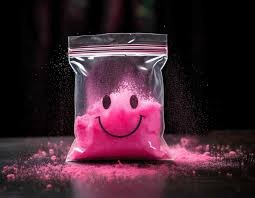
Treatment Options for Tusi Addiction
Addiction to Tusi, a potent stimulant, can have severe consequences on an individual’s physical and mental health. It is crucial to address this addiction promptly and effectively to prevent further harm. Fortunately, there are various treatment options available for individuals struggling with Tusi addiction. In this article, we will explore some of the most common and effective treatment approaches to help individuals overcome their addiction and regain control of their lives.
1. Inpatient Rehabilitation Programs
Inpatient rehabilitation programs are intensive treatment options that require individuals to reside at a treatment facility for a specified period. These programs provide round-the-clock care and support, making them ideal for individuals with severe Tusi addiction. Inpatient rehabilitation programs typically include:
- Individual therapy
- Group therapy
- Behavioral therapy
- Medication management
- Holistic treatments
These programs aim to address the physical, psychological, and emotional aspects of addiction in a comprehensive manner, providing individuals with the necessary tools and support to overcome their addiction.
2. Outpatient Treatment Programs
Outpatient treatment programs offer more flexibility than inpatient programs, allowing individuals to attend therapy sessions and treatment sessions while still living at home. Outpatient programs are suitable for individuals with mild to moderate Tusi addiction who do not require 24⁄7 supervision. These programs may include:
- Individual counseling
- Group therapy
- Medication management
- Educational sessions
Outpatient programs focus on helping individuals develop coping skills and strategies to manage their addiction while maintaining their daily responsibilities and routines.
3. Medication-Assisted Treatment (MAT)
Medication-assisted treatment (MAT) is a comprehensive approach to addiction treatment that combines medication with behavioral therapy and counseling. MAT is particularly effective for individuals with Tusi addiction as it helps reduce cravings and withdrawal symptoms. Common medications used in MAT for Tusi addiction include:
- Stimulant replacement therapy
- Medications to manage co-occurring mental health disorders
MAT provides individuals with the necessary support to focus on their recovery journey and make positive changes in their lives.
4. Cognitive-Behavioral Therapy (CBT)
Cognitive-behavioral therapy (CBT) is a widely used therapeutic approach for treating addiction. CBT helps individuals identify and change negative thought patterns and behaviors that contribute to their addiction. In the case of Tusi addiction, CBT can help individuals develop coping skills to manage cravings, triggers, and stressors. CBT is often combined with other treatment modalities to provide a holistic approach to addiction recovery.
5. Support Groups
Support groups, such as Narcotics Anonymous (NA) or SMART Recovery, provide individuals with a supportive community of peers who are also in recovery from addiction. These groups offer a safe and non-judgmental environment where individuals can share their experiences, receive encouragement, and learn from others who have successfully overcome addiction. Support groups play a vital role in helping individuals stay motivated and connected throughout their recovery journey.
In conclusion, overcoming Tusi addiction requires a comprehensive and individualized treatment approach that addresses the physical, psychological, and emotional aspects of addiction. By exploring the treatment options mentioned above and working with qualified professionals, individuals struggling with Tusi addiction can take the first step towards recovery and reclaiming their lives. Recovery is possible, and with the right support and resources, individuals can build a healthier and substance-free future for themselves.
FAQ
1. What are inpatient rehabilitation programs?
Inpatient rehabilitation programs are intensive treatment options that require individuals to reside at a treatment facility for a specified period. These programs provide round-the-clock care and support, making them ideal for individuals with severe Tusi addiction.
2. Who are outpatient treatment programs suitable for?
Outpatient treatment programs are suitable for individuals with mild to moderate Tusi addiction who do not require 24⁄7 supervision. These programs offer more flexibility than inpatient programs, allowing individuals to attend therapy sessions while still living at home.
3. What is medication-assisted treatment (MAT) and how can it help individuals with Tusi addiction?
Medication-assisted treatment (MAT) combines medication with behavioral therapy and counseling to help individuals with Tusi addiction. It helps reduce cravings and withdrawal symptoms, making it easier for individuals to focus on their recovery.
4. How can cognitive-behavioral therapy (CBT) help individuals struggling with Tusi addiction?
Cognitive-behavioral therapy (CBT) is a therapeutic approach that helps individuals identify and change negative thought patterns and behaviors contributing to their addiction. In the case of Tusi addiction, CBT can help individuals develop coping skills to manage cravings, triggers, and stress.