Walking Pneumonia vs. Bronchitis: Key Differences
When it comes to respiratory infections, walking pneumonia and bronchitis are two common conditions that often get confused due to their similar symptoms. While both can cause coughing, chest discomfort, and fatigue, it is essential to understand the key differences between the two in order to receive proper treatment.
Walking Pneumonia
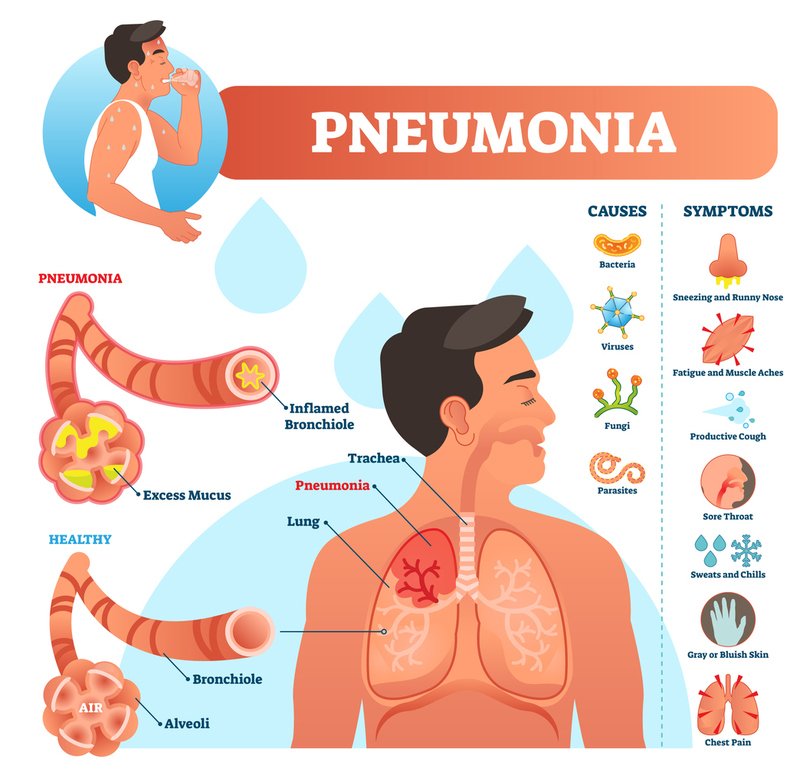
Walking pneumonia, also known as atypical pneumonia, is a milder form of pneumonia that is typically caused by bacteria or viruses. Unlike traditional pneumonia, walking pneumonia does not usually require hospitalization and can be managed at home with rest and antibiotics if the infection is bacterial in nature.
Symptoms of Walking Pneumonia
- Persistent cough that may produce phlegm
- Low-grade fever
- Chest discomfort
- Fatigue
- Shortness of breath
Diagnosis and Treatment
Walking pneumonia is typically diagnosed through a physical examination, chest X-ray, and possibly a sputum test to determine the cause of the infection. Treatment may include antibiotics if the infection is bacterial, as well as over-the-counter medications to help relieve symptoms such as cough and fever. In some cases, rest and staying hydrated can also aid in recovery.
Complications of Walking Pneumonia
- Risk of spreading the infection to others
- Potential for developing more severe respiratory conditions if left untreated
- Increased susceptibility to secondary infections due to weakened immune system
Prevention of Walking Pneumonia
- Practice good hygiene, such as washing hands frequently
- Avoid close contact with individuals who are sick
- Get vaccinated against common respiratory infections, such as influenza
Bronchitis
Bronchitis is an inflammation of the bronchial tubes, which are the airways that carry air to and from the lungs. Bronchitis can be acute or chronic, with acute bronchitis typically lasting for a few weeks and chronic bronchitis lasting for at least three months out of the year for two consecutive years.
Symptoms of Bronchitis
- Cough that may produce mucus
- Chest tightness or discomfort
- Fatigue
- Shortness of breath
- Mild fever and chills
Diagnosis and Treatment
Bronchitis is usually diagnosed based on symptoms and a physical examination. In some cases, a chest X-ray or sputum test may be ordered to rule out other respiratory conditions. Treatment for bronchitis may include rest, hydration, and over-the-counter medications to help alleviate symptoms. In some cases, a healthcare provider may prescribe bronchodilators or steroids to help open the airways and reduce inflammation.
Complications of Bronchitis
- Increased risk of developing pneumonia
- Exacerbation of underlying respiratory conditions, such as asthma or COPD
- Chronic bronchitis may lead to long-term lung damage if not managed properly
Prevention of Bronchitis
- Avoid smoking and exposure to secondhand smoke
- Practice good respiratory hygiene, such as covering mouth and nose when coughing or sneezing
- Stay up to date on vaccinations to prevent respiratory infections
Key Differences Between Walking Pneumonia and Bronchitis
While walking pneumonia and bronchitis share some similar symptoms, there are key differences that can help differentiate between the two conditions:
- Cause: Walking pneumonia is typically caused by bacteria or viruses, while bronchitis is often triggered by a viral infection.
- Severity: Walking pneumonia is usually milder than traditional pneumonia and does not require hospitalization, while bronchitis can vary in severity depending on whether it is acute or chronic.
- Duration: Walking pneumonia may last for a few weeks, while acute bronchitis typically resolves within a few weeks as well. Chronic bronchitis, on the other hand, is a long-term condition that requires ongoing management.
In conclusion, while walking pneumonia and bronchitis may have similar symptoms, they are distinct respiratory conditions with different causes and treatment approaches. If you are experiencing persistent respiratory symptoms, it is important to consult with a healthcare provider for an accurate diagnosis and appropriate treatment.
FAQ
What is the main difference between walking pneumonia and bronchitis?
- Answer: The main difference is the cause of the infection, as walking pneumonia is typically caused by bacteria or viruses, while bronchitis is often triggered by a viral infection.
How can walking pneumonia be managed at home?
- Answer: Walking pneumonia can be managed at home with rest and antibiotics if the infection is bacterial in nature.
What are common symptoms of bronchitis?
- Answer: Common symptoms of bronchitis include cough that may produce mucus, chest tightness or discomfort, fatigue, shortness of breath, and mild fever and chills.
How is bronchitis diagnosed?
- Answer: Bronchitis is usually diagnosed based on symptoms and a physical examination, although a chest X-ray or sputum test may be ordered in some cases to rule out other respiratory conditions.