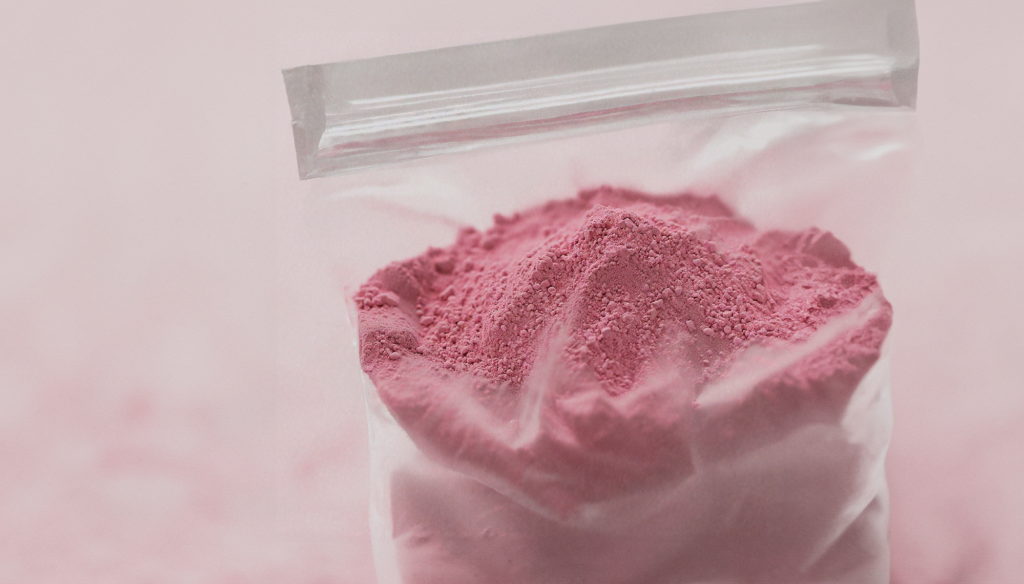
How to Treat Pink Cocaine Addiction
Pink cocaine addiction is a serious problem that affects many individuals across the globe. It is important to address this issue with the right treatment and support in order to help those struggling with addiction to overcome their challenges and achieve long-term recovery. In this article, we will explore different treatment options and strategies for managing pink cocaine addiction.
Understanding Pink Cocaine Addiction
Pink cocaine, also known as synthetic cathinones or bath salts, is a highly addictive stimulant that affects the brain and central nervous system. It is often abused for its euphoric effects, increased energy, and heightened sense of alertness. However, prolonged use of pink cocaine can lead to serious health consequences, including addiction, psychosis, and even death.
Individuals struggling with pink cocaine addiction may experience a range of symptoms, including:
- Intense cravings for the drug
- Difficulty controlling drug use
- Withdrawal symptoms when not using the drug
- Changes in mood and behavior
- Relationship problems
- Legal and financial issues
Pink cocaine addiction can have devastating effects on an individual’s physical, mental, and emotional well-being. It is crucial to seek professional help and support to address this addiction effectively. Understanding the root causes and effects of pink cocaine addiction is the first step towards recovery.
Treatment Options for Pink Cocaine Addiction
1. Detoxification
The first step in treating pink cocaine addiction is detoxification. This process involves removing the drug from the body and managing withdrawal symptoms in a safe and controlled environment. Medical supervision may be required to ensure the individual’s safety and comfort during detox.
Detoxification is a critical phase in the treatment of pink cocaine addiction as it helps the individual rid their body of the harmful substance and prepares them for further treatment. It is essential to undergo detox under the supervision of medical professionals to ensure a safe and effective process.
2. Behavioral Therapy
Behavioral therapy is an essential component of addiction treatment. Therapies such as cognitive-behavioral therapy (CBT) and motivational interviewing can help individuals identify and change unhealthy patterns of thinking and behavior related to drug use. These therapies also provide strategies for coping with cravings and triggers.
Behavioral therapy plays a crucial role in helping individuals with pink cocaine addiction understand the underlying causes of their addiction and develop healthier coping mechanisms. It empowers individuals to make positive changes in their behavior and thought patterns, setting the foundation for long-term recovery.
3. Medication-Assisted Treatment (MAT)
In some cases, medication may be prescribed to help manage withdrawal symptoms and cravings associated with pink cocaine addiction. Medications such as bupropion or modafinil may be used to reduce drug cravings and promote abstinence.
Medication-assisted treatment can be a valuable tool in the treatment of pink cocaine addiction, especially in managing the physical and psychological symptoms of withdrawal. It is important for individuals to work closely with healthcare providers to determine the most effective medication regimen for their specific needs.
4. Support Groups
Support groups, such as Narcotics Anonymous (NA) or SMART Recovery, provide individuals with peer support and guidance throughout their recovery journey. These groups offer a safe and non-judgmental space for individuals to share their experiences, receive encouragement, and learn from others who have overcome addiction.
Joining a support group can significantly enhance an individual’s recovery journey by providing a sense of community, understanding, and encouragement. Building connections with others who have had similar experiences can help individuals feel less isolated and more motivated to stay on the path to recovery.
Managing Pink Cocaine Addiction Long-Term
Recovery from pink cocaine addiction is a lifelong process that requires ongoing support and commitment. Here are some strategies for managing pink cocaine addiction long-term:
- Attend regular therapy sessions to address underlying issues and prevent relapse
- Engage in healthy activities, such as exercise, meditation, or hobbies, to reduce stress and promote overall well-being
- Build a strong support network of friends, family members, and peers who understand and support your recovery journey
- Avoid triggers and environments that may lead to drug use
- Practice self-care and prioritize your physical and mental health
By taking a comprehensive and holistic approach to treatment, individuals struggling with pink cocaine addiction can overcome their challenges and build a fulfilling and drug-free life. If you or someone you know is struggling with pink cocaine addiction, seek help from a qualified healthcare professional or addiction specialist to start the journey to recovery today.
FAQ
1. What is pink cocaine addiction?
Pink cocaine addiction, also known as synthetic cathinones or bath salts addiction, is a highly addictive stimulant that affects the brain and central nervous system. It is abused for its euphoric effects, increased energy, and heightened sense of alertness.
2. What are the symptoms of pink cocaine addiction?
Symptoms of pink cocaine addiction may include intense cravings for the drug, difficulty controlling drug use, withdrawal symptoms when not using the drug, changes in mood and behavior, relationship problems, and legal and financial issues.
3. What are the treatment options for pink cocaine addiction?
Treatment options for pink cocaine addiction include detoxification, behavioral therapy (such as cognitive-behavioral therapy), medication-assisted treatment (MAT), and support groups like Narcotics Anonymous (NA) or SMART Recovery.
4. How can medication-assisted treatment help with pink cocaine addiction?
Medication-assisted treatment (MAT) involves the use of medications such as bupropion or modafinil to help manage withdrawal symptoms and cravings associated with pink cocaine addiction. These medications can help reduce drug cravings and promote abstinence during the recovery process.